
Blog
SCADA for Climate-Resilient Water Operations at NAWASA: Approach, Lessons Learned, and Impact
Gennil Reuben-McGuire | July 15, 2026 - Article, Data & Tools
The implementation of a Supervisory Control and Data Acquisition (SCADA) system at the National Water and Sewerage Authority (NAWASA) marks a critical milestone in Grenada’s transition toward a climate-resilient water utility. Developed under the Climate-Resilient Water Sector in Grenada (G-CREWS) program, this activity has moved NAWASA from manual monitoring toward a sophisticated, data-driven operational framework.
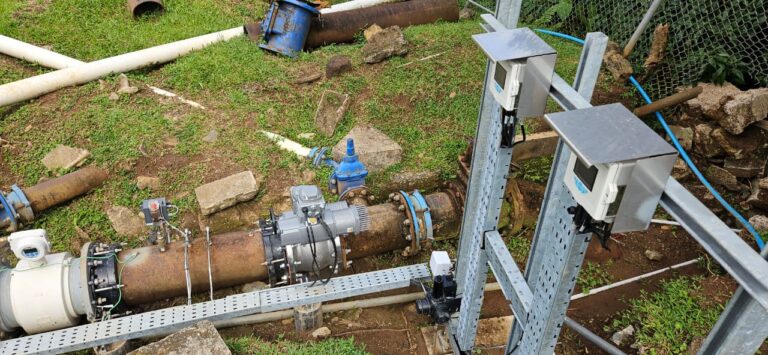
Financed by the Green Climate Fund (GCF), NAWASA introduced the modern monitoring and control system – SCADA – at the Annandale Water Treatment Plant and two additional key sites Grand Etang Pumping Station and Old Fort Tank.
The objective was to strengthen disaster resilience, improve water quality assurance, and enhance operational continuity through real-time monitoring, alarm-driven response, and remote supervisory control, even during storms and other extreme events.
How it works
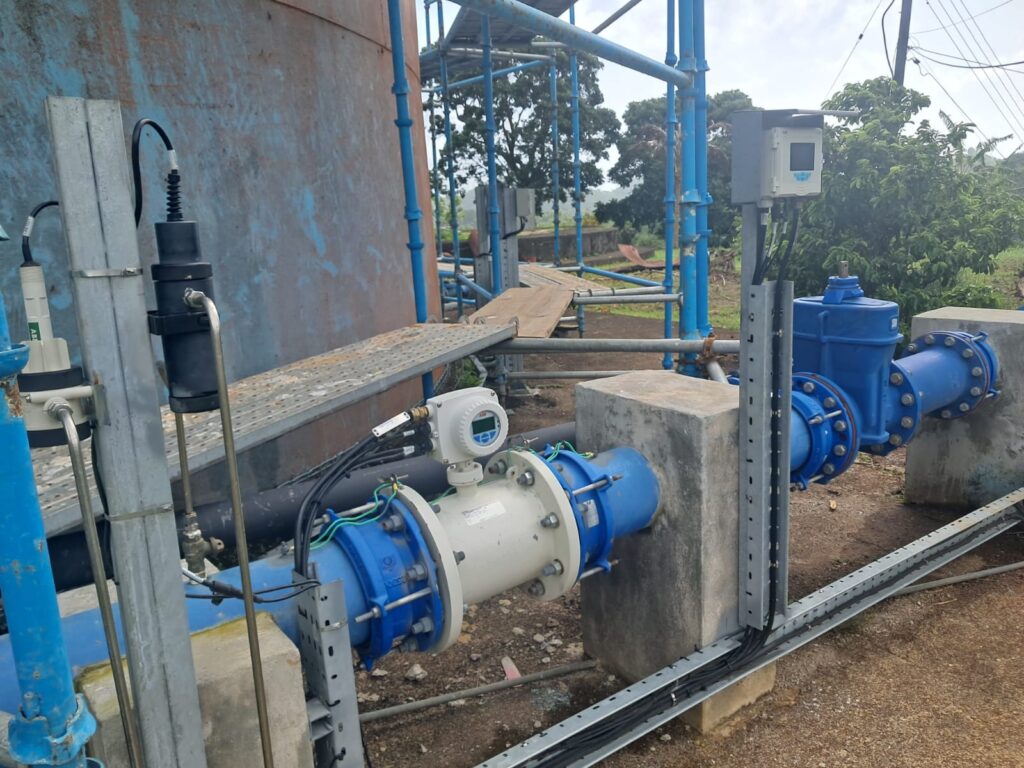
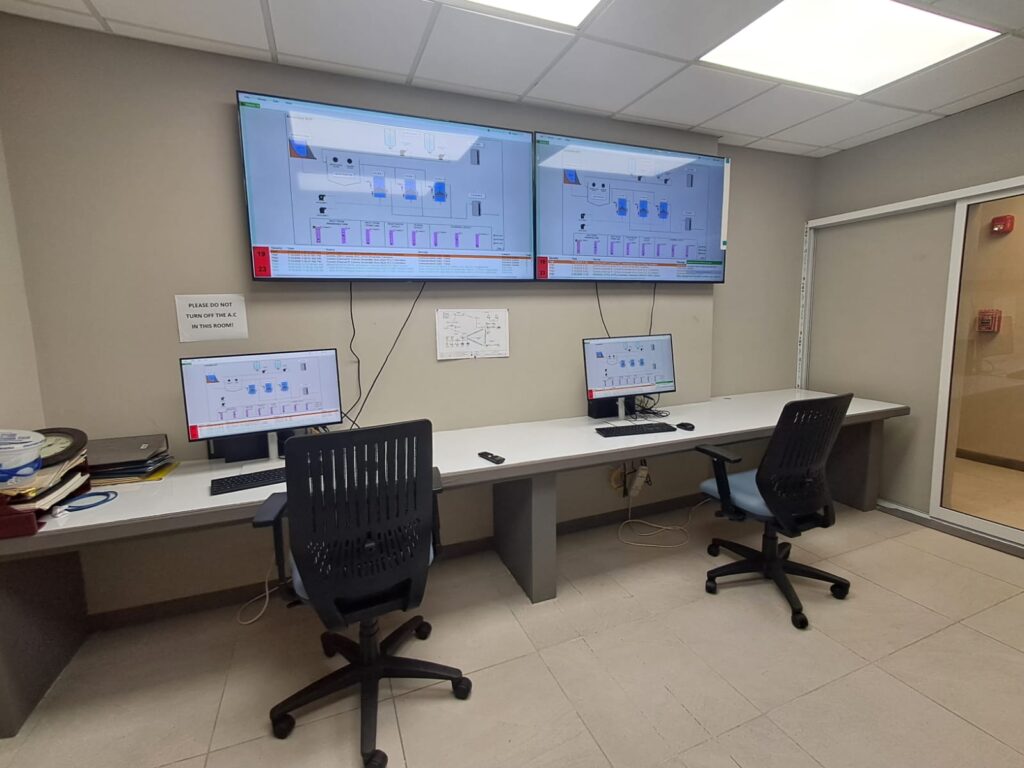
The system continuously “watches” water levels, flow, pressure and water quality (like turbidity, pH and chlorine). If something drifts from normal, it alerts staff who then take safe, pre‑agreed actions. Operators can see what’s happening across sites on screen and respond quickly. The architecture features a Main Control Centre (MCC) and a Backup Control Centre (BCC), ensuring seamless failover and operational continuity during disasters.
The Approach
The project engaged specialists to define the plan and standards for the specific needs of Grenada’s water supply system. The SCADA system serves as a pilot and includes three main water supply sites that serve in total 36,120 people and the main tourist belt on mainland Grenada.
The project was executed through a structured, multi-phase approach designed to ensure technical reliability and operational readiness. A central component was the Site Acceptance Test (SAT), a 10-day mission conducted in April 2026 that verified the installation, calibration, and integration of field devices and SCADA subsystems.
The team checked that everything worked correctly in real conditions. Utility staff were trained using real scenarios, how to spot problems fast, what to do in the first minutes, and how to shut down safely in an emergency.
The SCADA expert updated NAWASA’s operating manual – a simple “Alarm Response Playbook”. It includes a checklist that guides staff through exactly what to do in the first 15 minutes of a crisis, so they can act quickly and calmly to protect the water supply. This includes checklists for the first 15 minutes of an incident, one‑page device “cheat sheets,” and tips on using trends to spot issues early. These quick references help teams act consistently when stress is high.
Some parts of the system are programmed to act on their own. For example, if a tank is about to overflow or water quality starts to drop, the system can automatically shut down pumps or close valves—even if the internet connection is lost.
The system uses two control centres. If a disaster knocks out the main centre, a backup centre can take over immediately, ensuring that engineers never lose sight of what is happening with the island’s water.
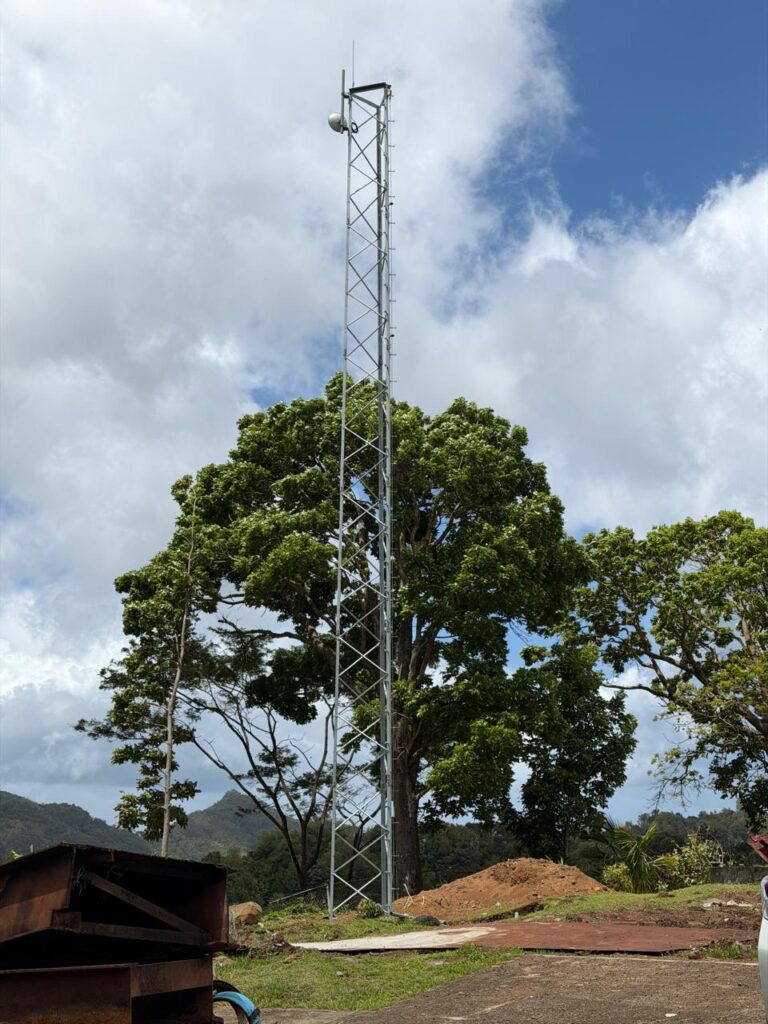
The team identified practical upgrades: improving protective equipment placement and standardizing how certain data are read. One major lesson was that communication towers need extra protection, such as being secured with three steel cables, to survive high winds.
Staff learned that one single alarm might not tell the whole story. Instead of just reacting to one “ping,” they were trained to look at trends — how water levels or pressures have changed over the last hour or day — to spot problems before they become disasters.
Operator competence improved most when classroom content was reinforced with supervised live exercises tied to real assets, alarms, trends, backwash sequences, and emergency shut down (ESD) drills. Embedded practical assessments ensured skills transfer rather than passive familiarity.
Impact
Operators and supervisors now have a common, practical operating picture and Standard Operating Practices (SOPs), from alarm handling to ESD. Maintenance teams are equipped to sustain the system via calibration, diagnostics, backups, and post-intervention validation.
The system constantly monitors for things like mud (turbidity), pH and chlorine levels within the water. If the water isn’t perfect, the system alerts staff immediately, ensuring that only safe water reaches homes. Regular calibration and verification routines institutionalize quality assurance.
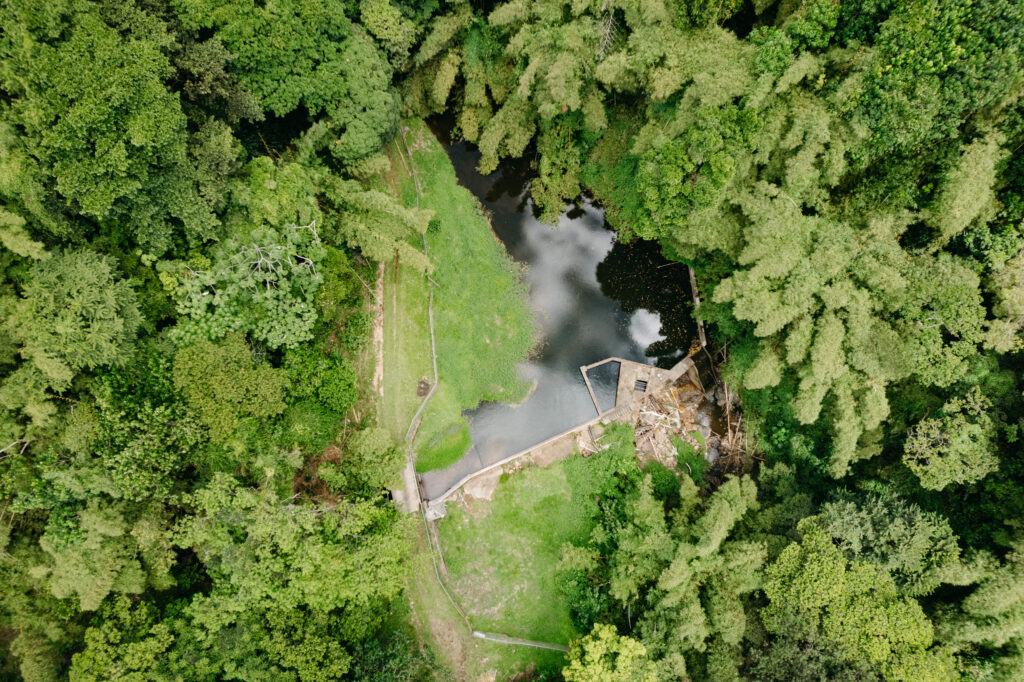
While the system is mostly for monitoring, it also helps NAWASA find leaks by tracking unusual patterns in water flow. This means less water is wasted, which is critical as the climate becomes more unpredictable. By catching faults early, NAWASA can fix broken pipes or failing pumps much faster, which means fewer and shorter water outages for water users.
By combining smart technology with a “safety-first” approach, NAWASA is moving from simply reacting to problems to actively managing the future of Grenada’s water.
The SCADA implementation under G-CREWS at NAWASA establishes a resilient, operator-ready platform that integrates robust automation, structured alarm management, and practical SOPs. Verified through a comprehensive Site Acceptance Test (SAT) and reinforced by scenario-based training and enhanced manuals, the system materially strengthens NAWASA’s capacity to deliver safe, reliable water services in normal and emergency conditions. Continued incremental hardening and routine practice will further consolidate these gains, positioning NAWASA for long-term, climate-resilient utility management.
Conclusion
The SCADA implementation at NAWASA is more than a technical upgrade; it is a holistic enhancement of disaster preparedness and operational resilience. By combining robust automation with standardized procedures and trained personnel, NAWASA is now better equipped to deliver safe, sustainable water services to Grenada under both normal and extreme conditions.
The G-CREWS project is jointly financed by the Green Climate Fund (GCF) and the German Federal Ministry for the Environment, Climate Action and Nature Conservation (BMUKN) under its International Climate Initiative (IKI) and the Government of Grenada.
Over 7 years, the Government of Grenada, the Grenada Development Bank and the National Water and Sewerage Authority (NAWASA) in partnership with the German Development Corporation (GIZ) will implement the project’s five components.