
Blog
Designing Bank-Ready Green Loans: Lessons from the G-CREWS Grenada Program
Gennil Reuben-McGuire | June 30, 2026 - Article, Data & Tools
The Climate-Resilient Water Sector in Grenada (G-CREWS) project supported the creation of a retail financing program to help Grenadian households invest in water- and energy-saving upgrades so they can better withstand climate impacts. The program focused on measures such as low-flow fixtures and leak repair, rainwater harvesting and storage, energy-efficient appliances, sustainable cooling using natural refrigerants, and small rooftop solar, which together reduce disruptions from erratic rainfall and dirty water, cut utility bills, and lower climate risk.
In the beginning of the intervention, lenders did not necessarily understand lifetime savings compared with upfront cost, and the market lacked a standard way to underwrite small green upgrades. Stakeholders were uncertain about supplier skills and product quality, and public awareness of options and benefits remained low.
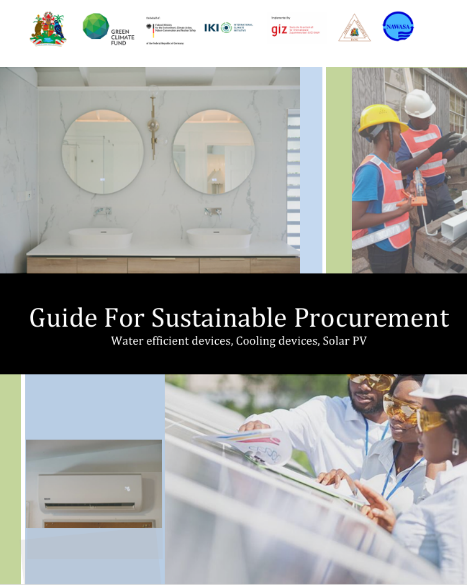
G-CREWS demonstrated water conservation measures through pilot interventions: water efficient devices, rainwater harvesting and increased storage in both the commercial and residential spaces. Additionally, the pairing of solar photovoltaic pilots and energy efficiency provided technical and financial feasibility. Representatives from the Ministry of Renewable Energy, the Central Procurement Unit within the Government of Grenada and the German Development Cooperation (GIZ) developed a guide for sustainable procurement..
The team monitored selected pilots to measure water and energy savings, bill reductions, payback time, and resilience benefits such as continued supply during droughts or turbidity events, thereby turning results into clear case summaries, verification notes, and calculation sheets that lenders and other stakeholders could use.
G-CREWS mapped the financial sector and held one-on-one consultations with major banks and credit unions. The team reviewed existing consumer and home-improvement loan products so green measures could be added without creating separate processes.
The team translated pilot results into cash-flow impacts, payback timelines, and net present value metrics and worked with lenders to agree on eligible technologies, verification steps, and vendor requirements.
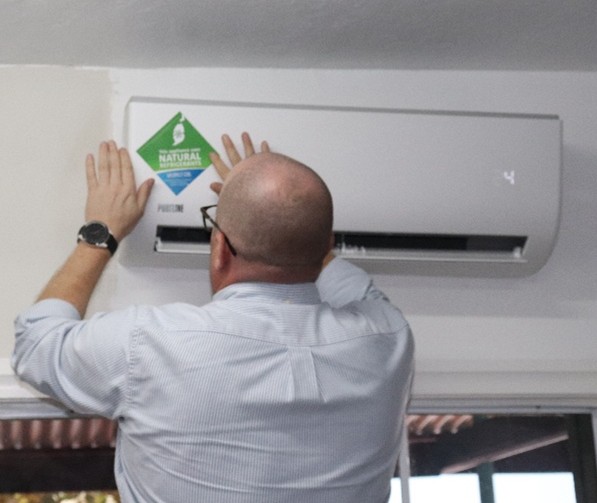
These discussions produced dedicated retail products, such as “Build For the Future (BFF) Loan”. The product includes clear eligibility lists for technologies, required installation by qualified vendors, and standardized documentation such as quotations, datasheets, installation plans, and warranties. Underwriting practices were updated to recognize verified bill savings where permitted, and risk controls were added that included vendor qualification, post-installation verification, warranty and basic maintenance provisions.
To keep the product accessible, the customer journey matched standard home-improvement loan processes and used pre-approved technology lists and guide prices.
To build internal capacity, G-CREWS delivered targeted training to planners, credit analysts, and loan officers on lifecycle costing, dynamic cost-benefit analysis for small measures, technical performance parameters, and risk assessment tied to installation quality and warranty terms.
The G-CREWS program shared training materials, quick-reference guides, and information material on water efficient devices, water storage and rainwater harvesting with representatives of banks for them to integrate into routine credit processes.
Because a financing product only works if the market can deliver, the team consulted suppliers and retailers to document product availability, specifications, and price ranges, and to assess technical competence and warranty practices. A consultant evaluated market capacity to identify qualified installers and retailers and to gauge how supply could scale as demand increased. The team shared these findings with lenders to reduce execution risk and to inform loan conditions and vendor approval lists.
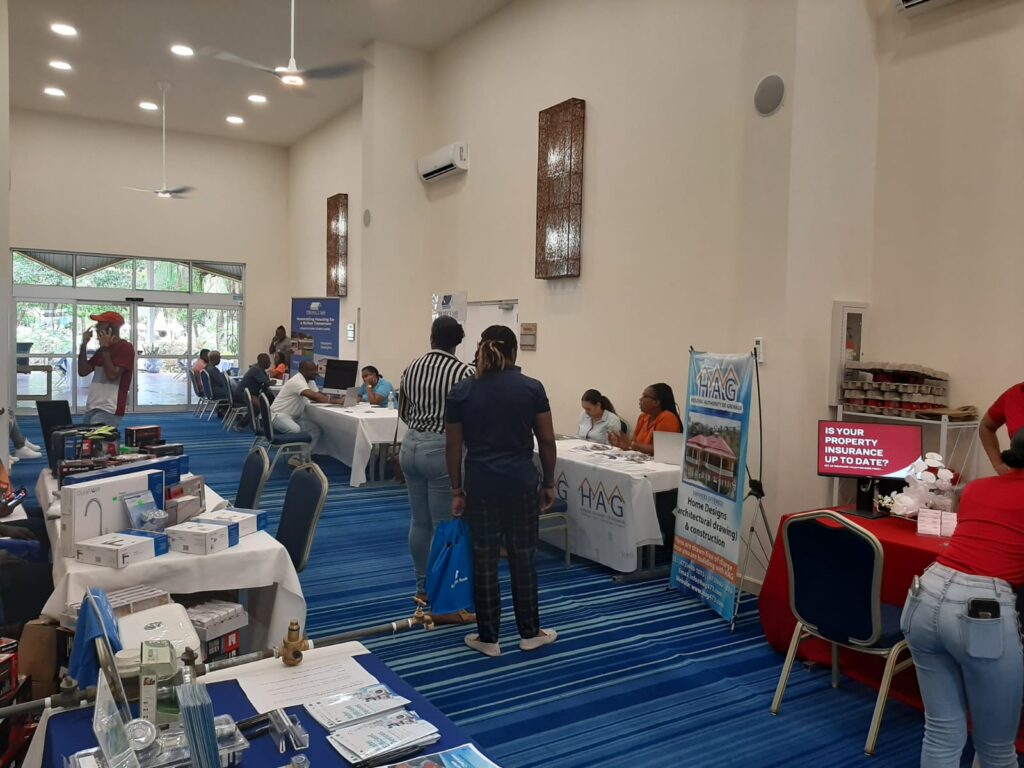
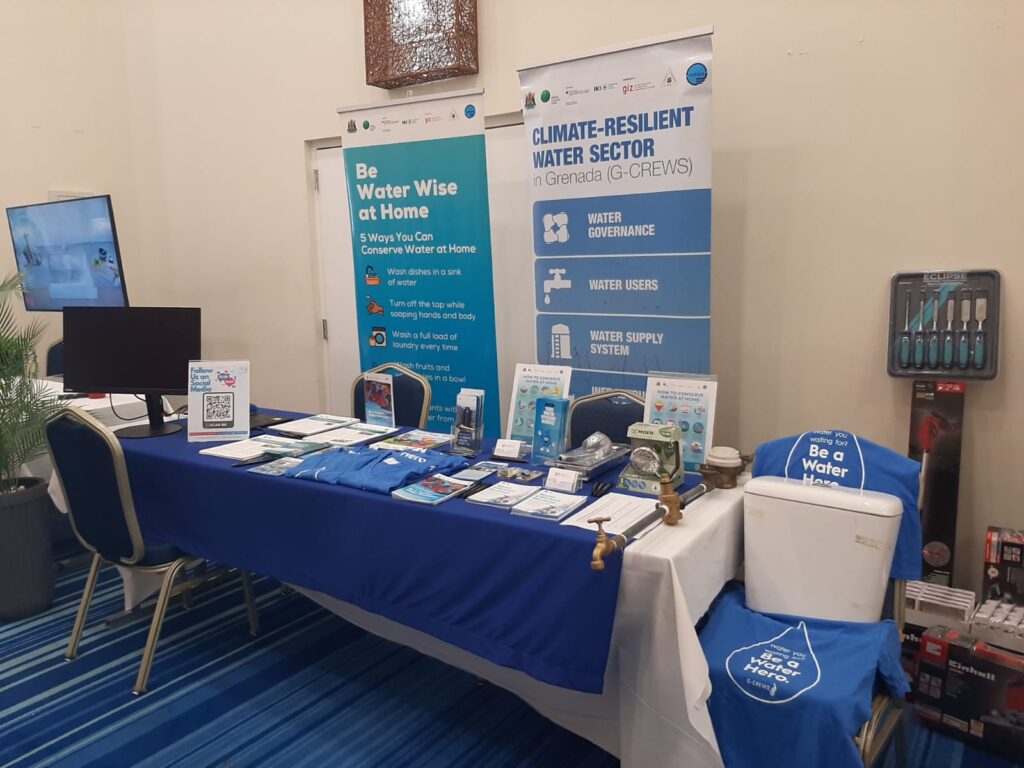
To stimulate demand, technical experts took part in bank events and trade shows to explain measures, costs, and financing pathways while answering practical questions from staff and customers. Public outreach, including climate-awareness sessions and video content, translated technical concepts into practical household choices and strengthened demand for resilience-enhancing solutions.
Grenadian banks increasingly integrated green purposes into their lending portfolios, which finances water-efficient devices, rainwater harvesting and storage, energy-efficient appliances, sustainable cooling with natural refrigerants, and solar PV for both new builds and retrofits. Lenders improved their ability to appraise green micro-investments by using lifecycle metrics rather than focusing only on upfront costs. Validated supplier capacity and clearer procurement pathways reduced delivery risk and improved the borrower experience, while public awareness measures supported a steady rise in demand for resilience-enhancing home upgrades.
The approach was implemented under G-CREWS in partnership with government stakeholders and financial institutions and was co-financed by the Green Climate Fund (GCF) and the Federal Ministry for the Environment, Climate Action, Nature Conservation and Nuclear Safety (BMUKN) under its International Climate Initiative (IKI) and the Government of Grenada. The evidence-driven design provides a replicable model for other locations.
Case Study – Build For the Future (BFF) Loan
Through consultations with various financial institutions in Grenada, a specialized loan program was developed to promote the adoption of sustainable and resilient home solutions.
The Build For the Future (BFF) Loan facilitates access to financing for water-efficient devices, rainwater harvesting systems and storage, as well as energy-efficient technologies, including equipment that utilizes natural refrigerants.

The BFF Loan is available for both new home construction and the refurbishment of existing homes, encouraging homeowners to invest in climate-resilient building practices that contribute to long-term sustainability and comfort. More information about the program can be found here: Grenada Co-operative Bank – Build For the Future Loan.
Additionally, Technical Advisor Jiminy Scott provided technical expertise and participated in a public awareness session aimed at educating citizens on practical ways to combat climate change while maintaining comfortable living standards. The session is available for viewing here: YouTube – Climate Change Awareness Session.