
Blog
Building Climate Resilient Skills: GNTA and G-CREWS Advance Plumbing Standards in Grenada
Gennil Reuben-McGuire | December 17, 2025 - All
Grenada National Training Agency (GNTA) collaborated with the Climate Resilient Water Sector in Grenada (G-CREWS) project to host a train-the trainer workshop for the newly developed climate-resilient plumbing modules.
Over several months, the GNTA Curriculum Standards Department has been working closely with the G-CREWS project team to update the plumbing standards for Levels 1 to 3. This initiative forms part of subcomponent 1.2 of the G-CREWS project: supporting the cross-sectoral mainstreaming of climate resilience into policies, plans, and regulations within water-related sectors. The intended outcome is strengthened institutional and regulatory systems for climate-responsive planning and development.
This activity specifically targets the education and TVET sector, with a primary focus on updating policies and school curricula to integrate climate-resilient principles into vocational training. The aim is to embed sustainable water management practices within tertiary education empowering future professionals with the skills needed to help safeguard Grenada’s water security.
Although plumbing training already exists in the current system, there has been a noticeable gap in connecting plumbing practices to climate change adaptation and water conservation methods or measures. To bridge this, the project engaged Engineer Mr. Alphonsus Daniel to support capacity building for experts, instructors, facilitators, trainers, contractors, and maintenance managers across various organizations, ensuring they are fully equipped to deliver the upgraded plumbing standards.
A technical working committee was formed to guide this effort. The members were: Coordinator for Standards and Planning at GNTA, Ms. Genesta Charles; Consultant and Engineer, Mr. Alphonsus Daniel; and Technical Advisor for the GIZ G-CREWS Project, Ms. Chrystal Williams. Together, they developed and will integrate the two new modules into the curriculum:
- Carry out water loss assessment and retrofitting of plumbing systems
- Install rainwater harvesting systems
To introduce these modules to the sector, a four-day training was held from Monday, December 8th to Thursday, December 11th, 2025. The workshop brought together plumbing experts to refresh their existing skills while learning new techniques based on the updated standards. Participants are now expected to take this knowledge back to their workplaces strengthening practice and sharing expertise to build a stronger, more climate-resilient workforce.
The practical approach
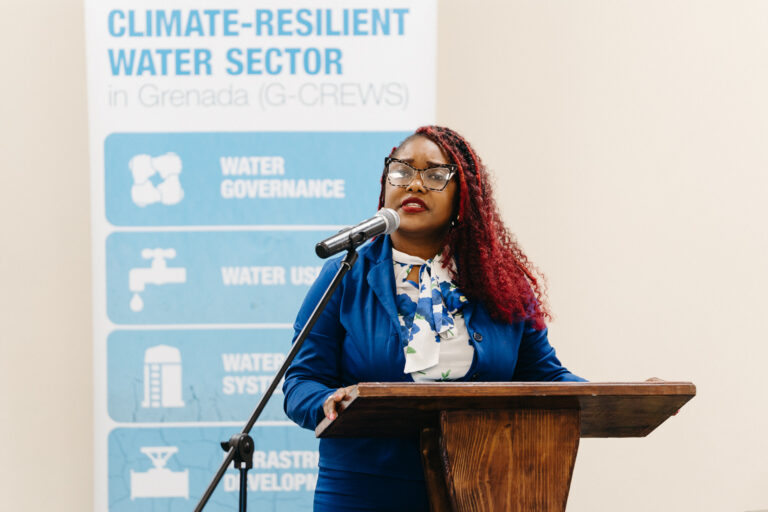
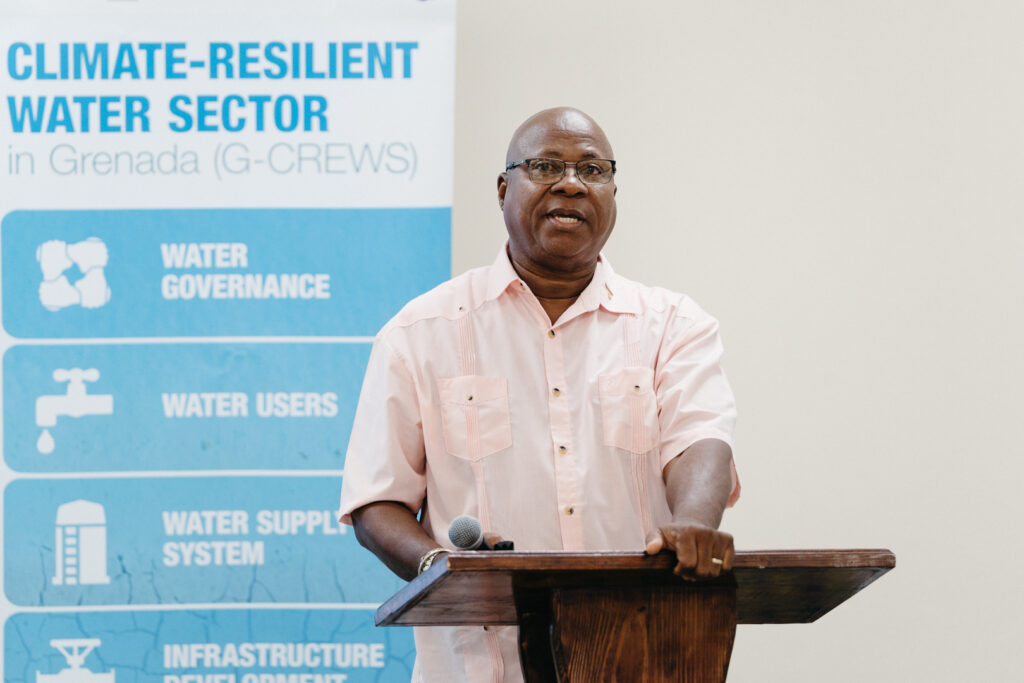
The first day featured an opening ceremony, with remarks delivered by CEO of the GNTA, Dr. Kemoy Edwards. She emphasized that participants were the first to explore and apply these new standards and encouraged them to champion the future of climate-resilient plumbing in Grenada.
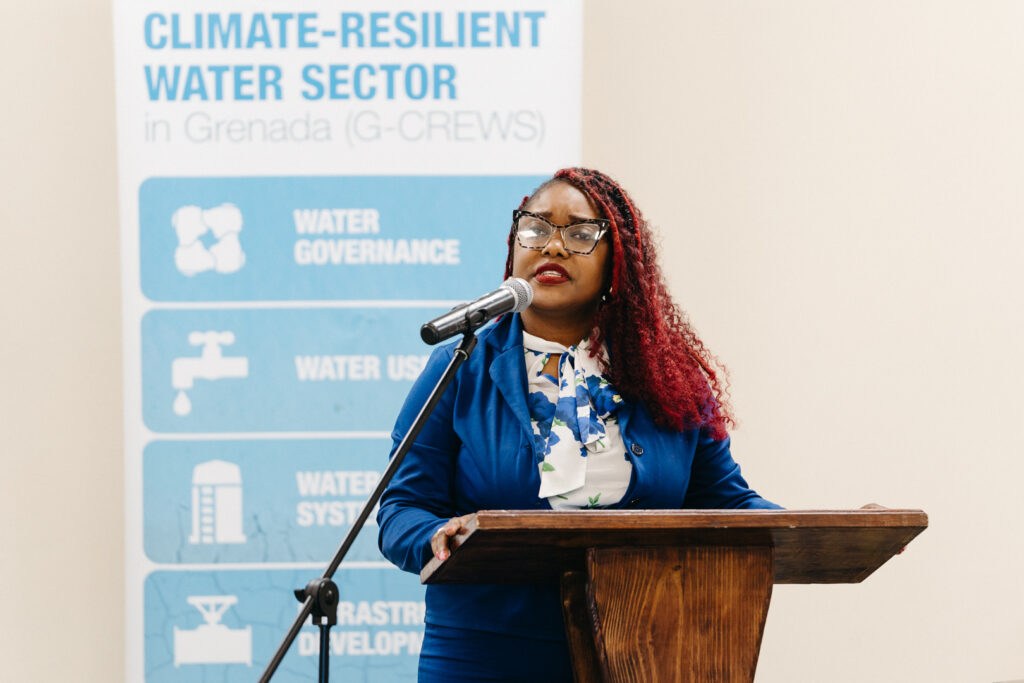
G-CREWS Project Manager, Ms. Jocelyn Paul Thomas, also addressed the gathering, sharing a powerful message: “Behind every resilient home, school, hospital, farm, or hotel, there is a trained professional whose work ensures water continues to flow. Resilience is not built in a day. It is built by people, step by step, skill by skill. The standards you follow today become the practices of the future.”
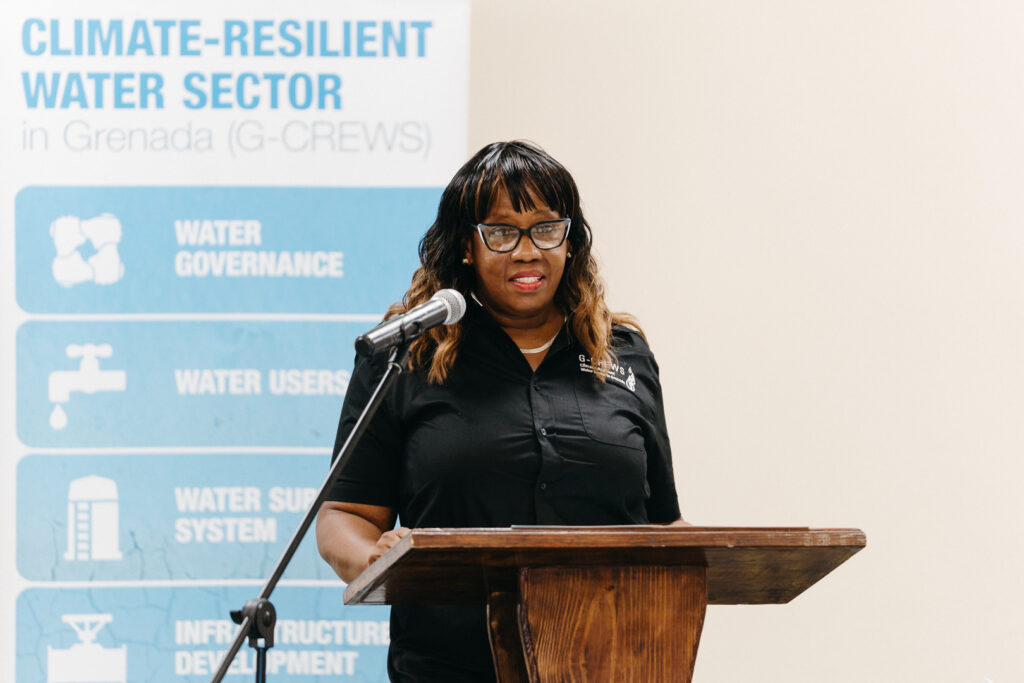
Additionally, Technical Advisor for the GIZ G-CREWS Project, Mr. Jiminy Scott, provided a brief introduction to the newly drafted Rainwater Harvesting Regulations. He highlighted the crucial role plumbers will play in meeting upcoming legal requirements mandating rainwater harvesting systems for all buildings in Grenada.
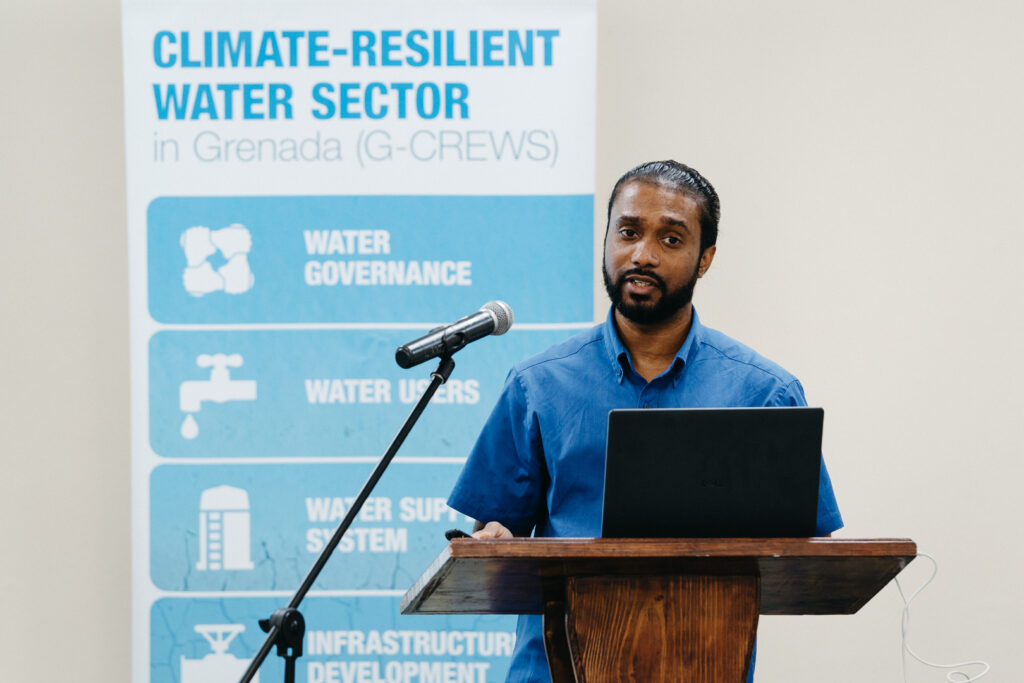
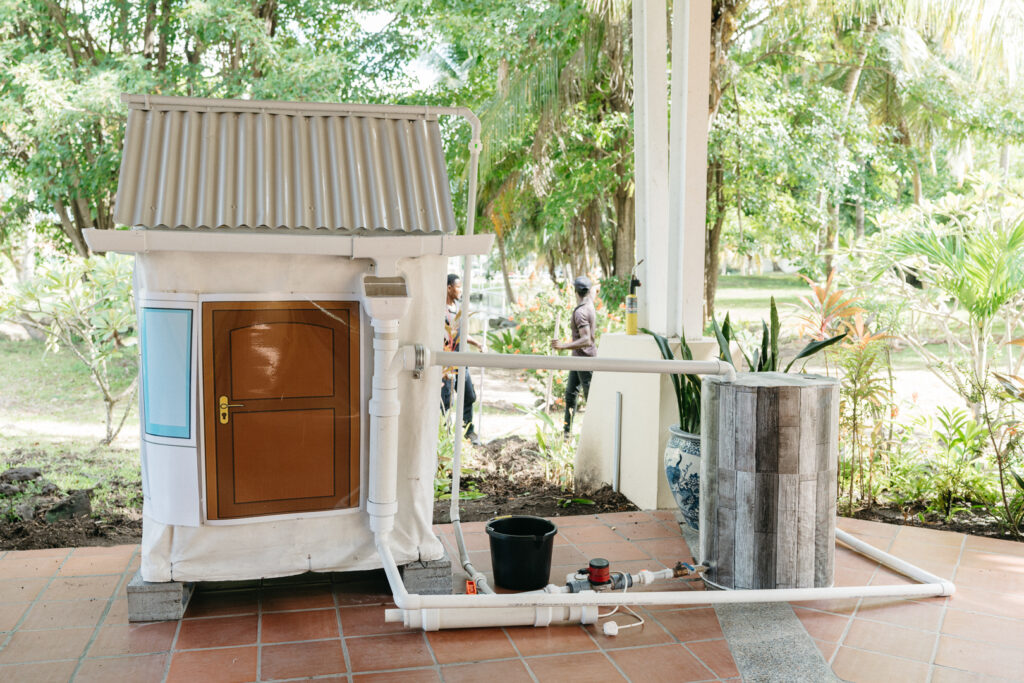
Throughout the four-day session, Mr. Daniel guided participants through practical demonstrations and technical updates that align with national efforts to enhance water resilience. He also introduced a portable rainwater harvesting system, allowing attendees to observe firsthand how rainwater is collected, from the initial catchment through to the first flush mechanism, and finally into storage tank.
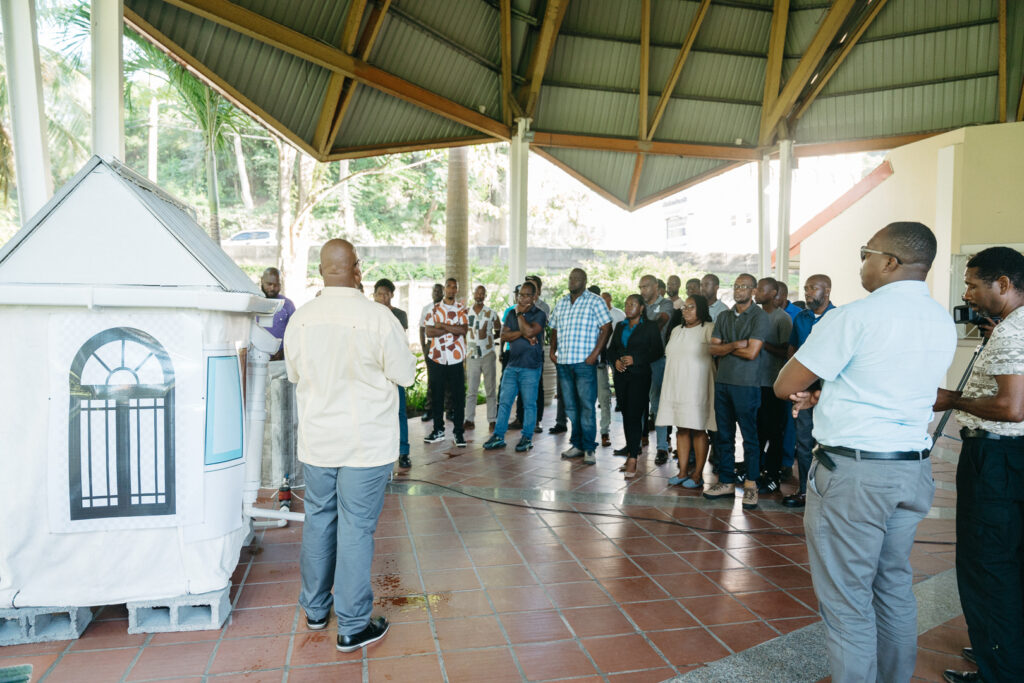
At the conclusion of the training, participants received Certificates of Participation, recognizing their readiness to implement the newly updated standards.
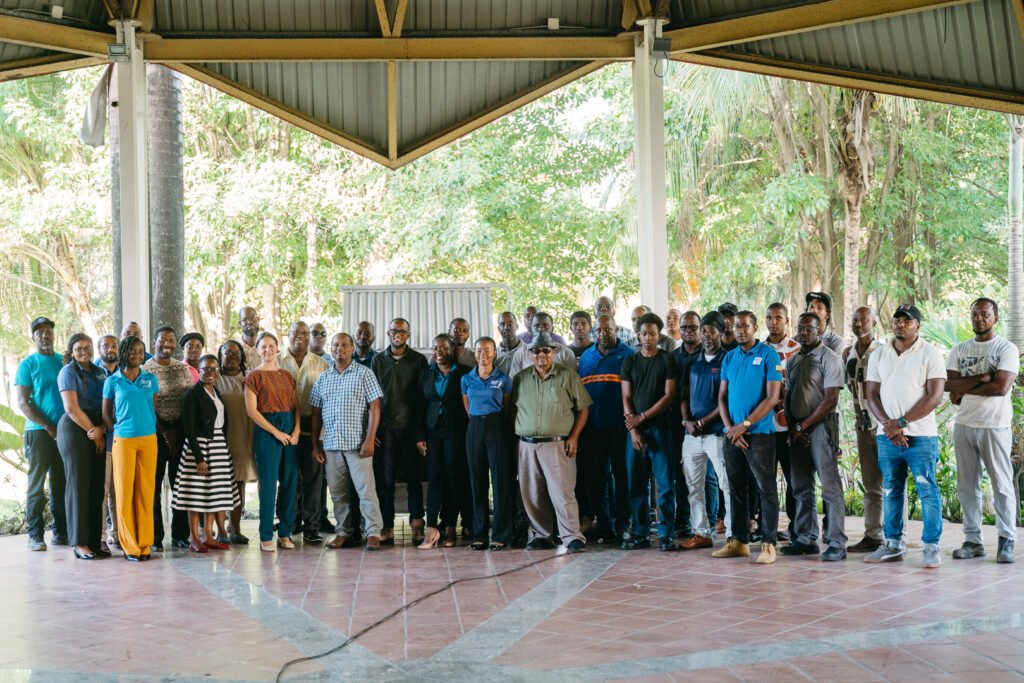
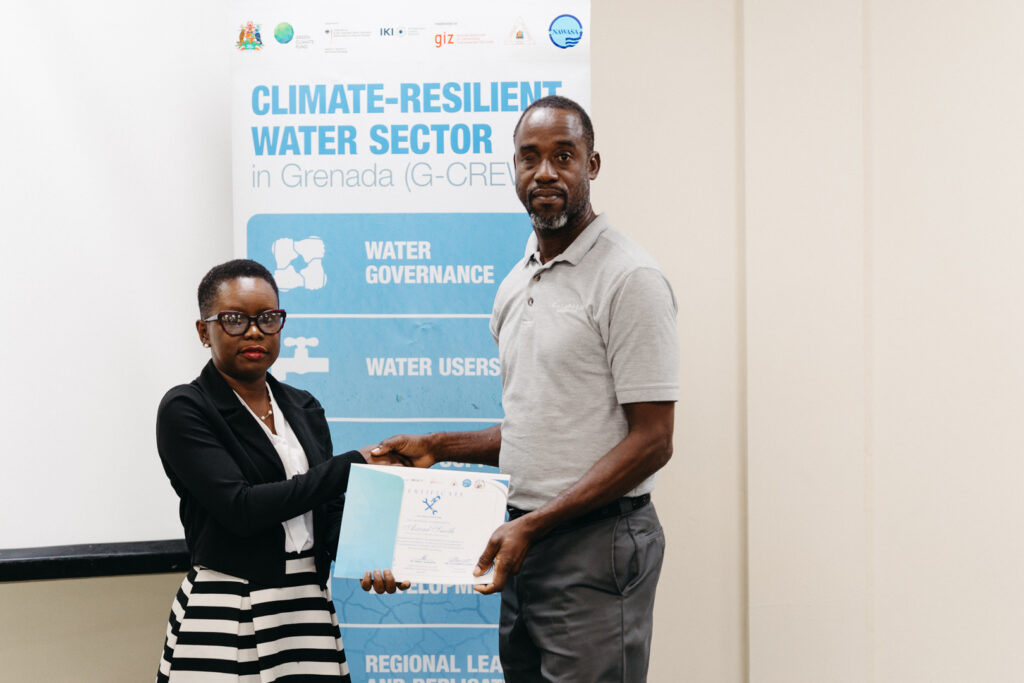
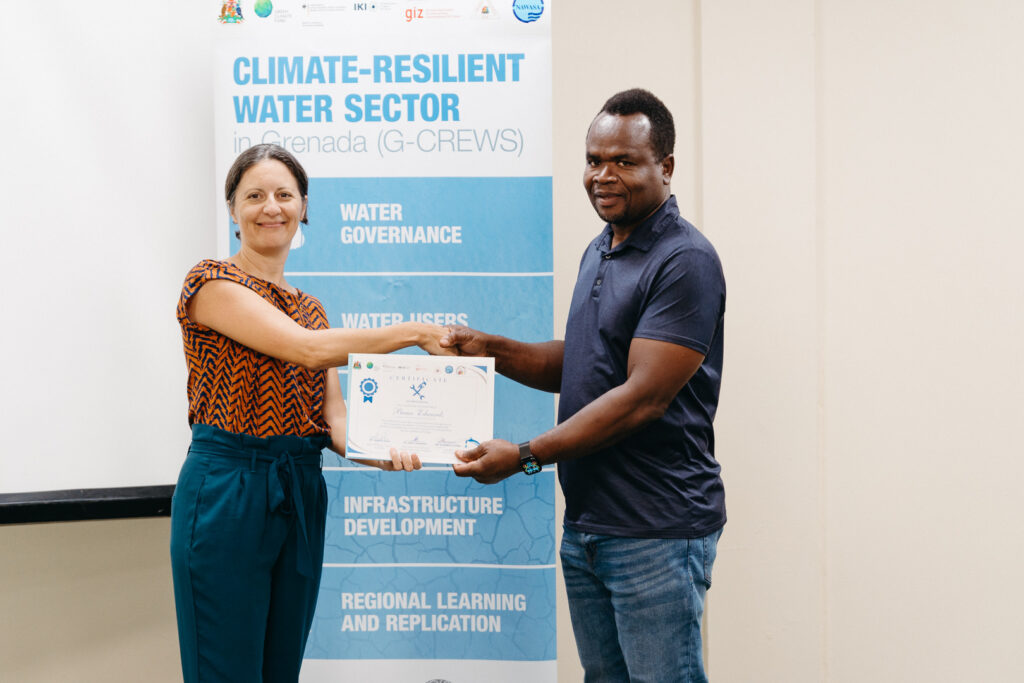
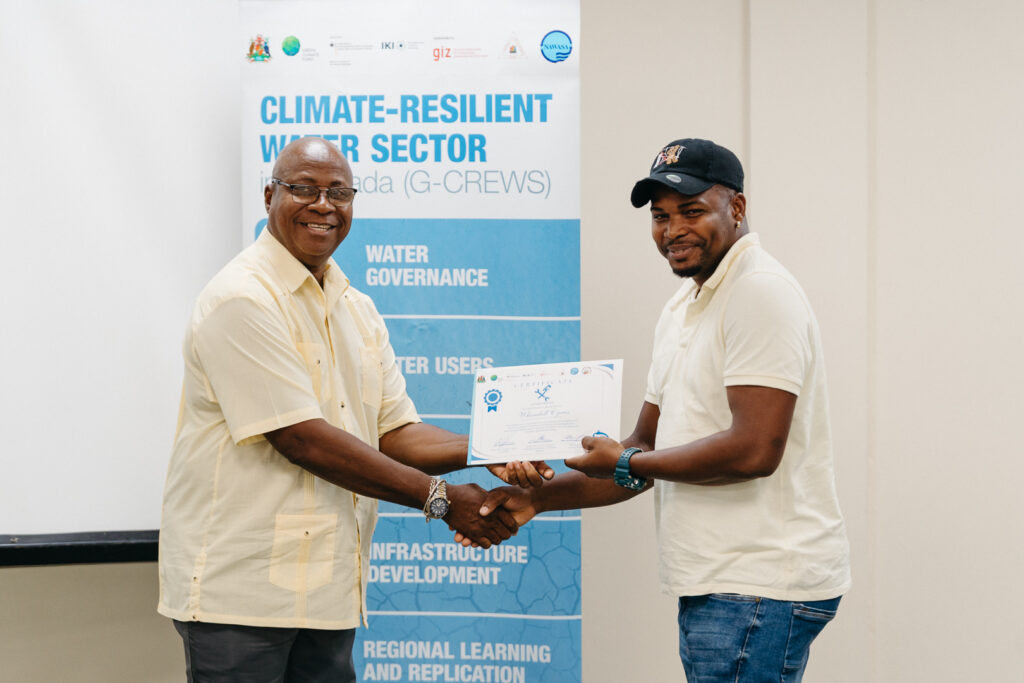
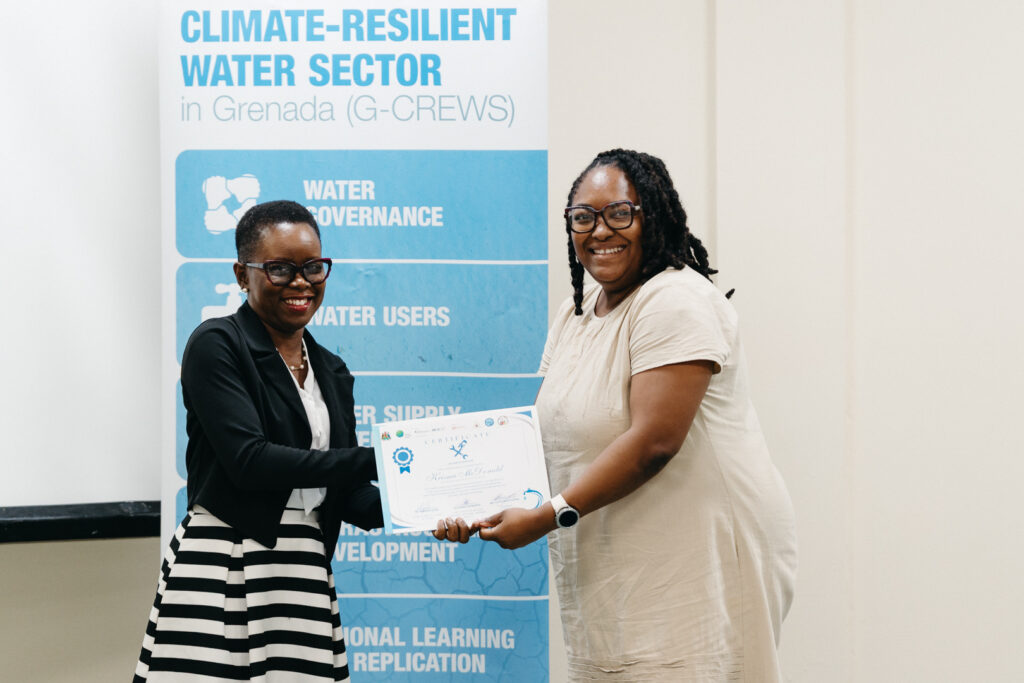
Participants receiving their certificates
During the closing ceremony, Mr. Earle Roberts, Lecturer at T.A. Marryshow Community College (TAMCC), reflected on the importance of the training, stating: “I see it [this training] important because the next few generations of plumbers that will be coming from TAMCC and NEWLO and others should have this skill set to understand the value of what we studied here. The plumber must come out with a scientific mind to understand that the environment is just as important as the resource. So, I am very grateful, and I am sure that you [rest of participants] are very grateful for the opportunity that we had.”
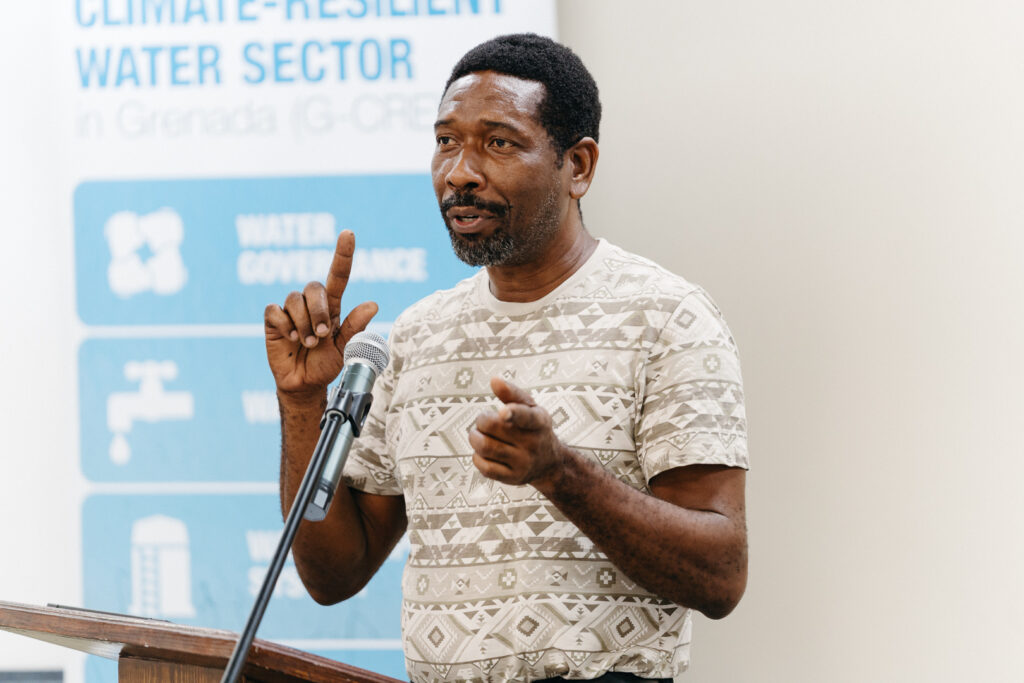
Another participant, Ms. Giselle Gravesande, emphasized the broader impact of the workshop, adding: “In embedding water conservation in our regulations, we don’t just build structures, we build systems that preserve resources, reduce costs, and protect our communities. And we gain this workshop in not only new skills, but a renewed sense of responsibility. All in all, we do this for water security and climate change resilience for the future.”
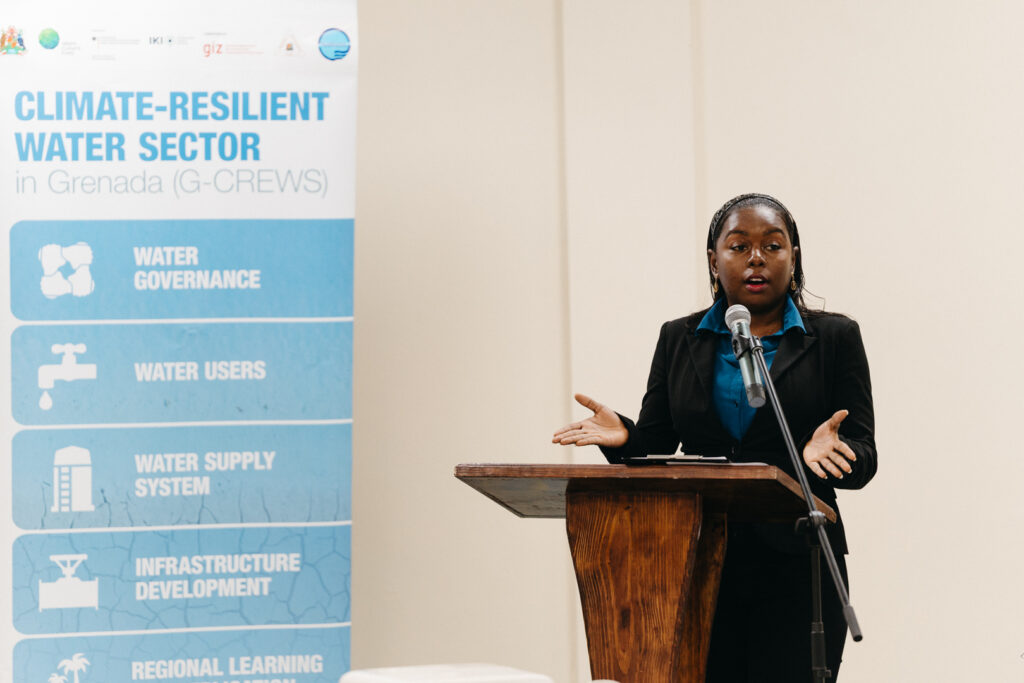
With the training concluded, the technical committee will be working towards obtaining the formal approve of the new modules as National Vocational Qualifications (NVQ) for integration into the 2026 new academic year in September for Grenada.
Following this achievement, the aim is to work with regional partners to pursue Caribbean Vocational Qualification (CVQ) status, expanding the impact of these standards across the region.
The G-CREWS project is jointly financed by the Green Climate Fund (GCF) and the German Federal Ministry for the Environment, Climate Action, Nature Conservation and Nuclear Safety (BMUKN) under its International Climate Initiative (IKI), and the Government of Grenada with the overall objective of increasing systemic climate change resilience in Grenada’s water sector.