
Blog

Building Climate Resilience Through Rainwater Harvesting Regulations
Gennil Reuben-McGuire | December 16, 2025 - All
Building resilience to climate change begins long before the full effects reach our shores. Across Grenada, Carriacou, and Petit Martinique, changing weather patterns are already influencing our water supply. Although water often seems abundant, experts warn that if we continue with business-as-usual approach, by 2030 our national water demand may exceed our ability to supply it.
To ensure a resilient water sector, Grenada’s National Adaptation Plan (NAP) identifies several actions to strengthen the water sector, one action item is the development of regulation for rainwater harvesting.
Work on rainwater harvesting regulations began in 2024 with consultations across all three islands: engaging the general public, engineers, water specialists, retailers, civil society, and government ministries.
Partnership and Commitment to Regulation

In 2025, work on the regulation advanced tremendously. On September 3rd, the Planning and Development Authority (PDA), the Ministry of Infrastructure, Public Utilities, Civil Aviation & Transportation, and the German Development Cooperation (GIZ), through the Climate-Resilient Water Sector in Grenada Project (G-CREWS), signed a Memorandum of Understanding.
This MOU represents a shared commitment to creating a regulation that is clear, fair, implementable, and ensures protection of public health when it comes to the use of rainwater.
Honouring Tradition Through Inclusive Consultations
Throughout the stakeholder consultations, participants from Carriacou, Petit Martinique, and the Grenada Grenadine islands emphasized the importance of preserving their long-standing rainwater harvesting traditions. These communities have relied on rainwater harvesting for generations, resulting in broad agreement that the regulation should include exceptions that allow these practices to continue while still ensuring public health.
Designing Safe and Climate-Resilient Systems
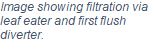
The proposed regulation aims to balance tradition with safety. New rainwater harvesting systems will require approval from the PDA to ensure they are well designed and resilient to future climate impacts. To safeguard public health, the draft sets clear water quality requirements for both potable and non- potable uses. It also outlines technologies to be used in rainwater harvesting systems (e.g. leaf eater and first flush diverter). Appointed inspectors will also have the authority to visit premises at reasonable times, request documents, ask questions, and ensure compliance.
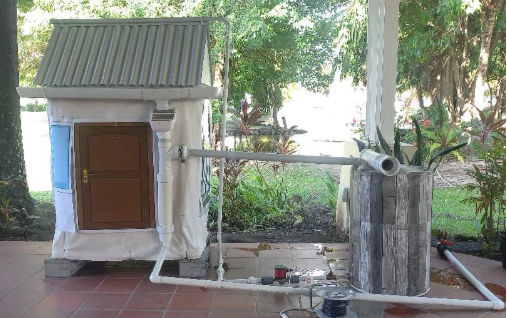
Model Rainwater harvesting system from the G-CREWS NVQ CVQ climate resilient plumbing workshop.
Public Review and Next Steps
Following consultations held in November, an updated draft of the Rainwater Harvesting Regulation was released and is available here: https://climateresilience.gov.gd/docs/rainwater-harvesting-regulation-2025-final-draft/
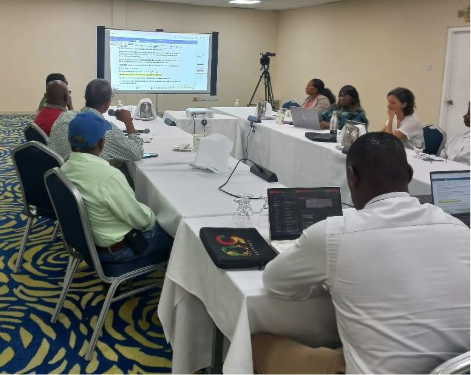

The final round of stakeholder consultations will take place from 19th to 25th February, 2026, and comments from the public are welcomed until 23rd January, 2026.
Comments, questions or queries can be submitted via the Rainwater Harvesting google form.
All feedback will be considered as the State of Grenada works toward a regulation that supports a safe, sustainable, and climate-resilient water sector for the future.
For updates on the upcoming consultations and details on the Rainwater Harvesting Legislation, please contact:
Jiminy Scott
E: Jiminy.scott@giz.de
Technical Advisor (G-CREWS)